

A shadowy web, often shrouded in mystery and intrigue, has become synonymous with the obscure nooks of the online world where hidden identities reigns supreme. Within this covert realm exists a black market filled with products and offerings that function outside the limits of law. Ranging from illicit drugs to pirated data, the dark web features a myriad of transactions that can both fascinate and terrify those who dare to venture into its depths.
When users navigate this secretive world, they may encounter warnings that serve as vivid warnings of the dangers hidden just beneath the surface. Real stories from people who have experienced the dark side of these marketplaces provide important lessons on the risks associated with participating in such activities. From their accounts, we acquire understanding into the results that can emerge from inquisitiveness and temptation in the unregulated areas of the dark web.
The Origins of Dark Web Marketplaces
The concept of the deep web can be traced back to the initial days of the internet, when a need for confidentiality and anonymity emerged among users. The creation of systems like The Onion Router in the 2000s provided a way for people to browse the web while concealing their identities. This evolution opened the path for various groups to thrive in secrecy, leading to the establishment of platforms where goods and services could be traded without conventional oversight.
As tech advanced, so did the deep web markets. At first, these platforms were limited to a tiny number of participants who sought to engage in criminal activities, such as the purchase of drugs or stolen data. But, over time, they grew to include a broader range of goods and offerings. These markets became appealing not only to those involved in illegal activities but also to individuals seeking privacy for legitimate reasons, such as whistleblowers and journalists operating in repressive regimes.
The launch of Silk Road in the year 2011 marked a significant turning point for deep web markets, as it introduced a user-friendly interface and a mechanism of third-party holding that built credibility among purchasers and vendors. Following its achievement, numerous competitors emerged, leading to a proliferation of deep web platforms that catered to various specialties. This growth has presented major challenges for law enforcement, as monitoring and shutting down these platforms has proved to be increasingly difficult in an ever-evolving virtual landscape.
Notorious Cases: Lessons Learned
Silk Road's demise serves as a crucial reminder of the risks associated with online black markets. best darknet markets pioneering platform allowed users to buy and sell illegal goods in secret, but it ultimately led to the arrest of its creator, the individual behind it, in 2013. The extensive media coverage following the site's closure revealed the vulnerabilities associated with anonymity in the online world. Users learned that engaging in illegal activities could have dire legal consequences, highlighting the importance of understanding the potential fallout from participation in such markets.
Another infamous case involves AlphaBay, which was dismantled in 2017 after a coordinated law enforcement effort. This marketplace not only facilitated illegal drug sales but also hosted a wide range of illicit services, from malicious software to counterfeit documents. The abrupt end of AlphaBay caught many users by surprise, showcasing how quickly these marketplaces can be removed and leaving many without access to their funds. This incident emphasized the need for vigilance when engaging with unregulated platforms and the reality that investments made on dark web markets could be lost instantly.
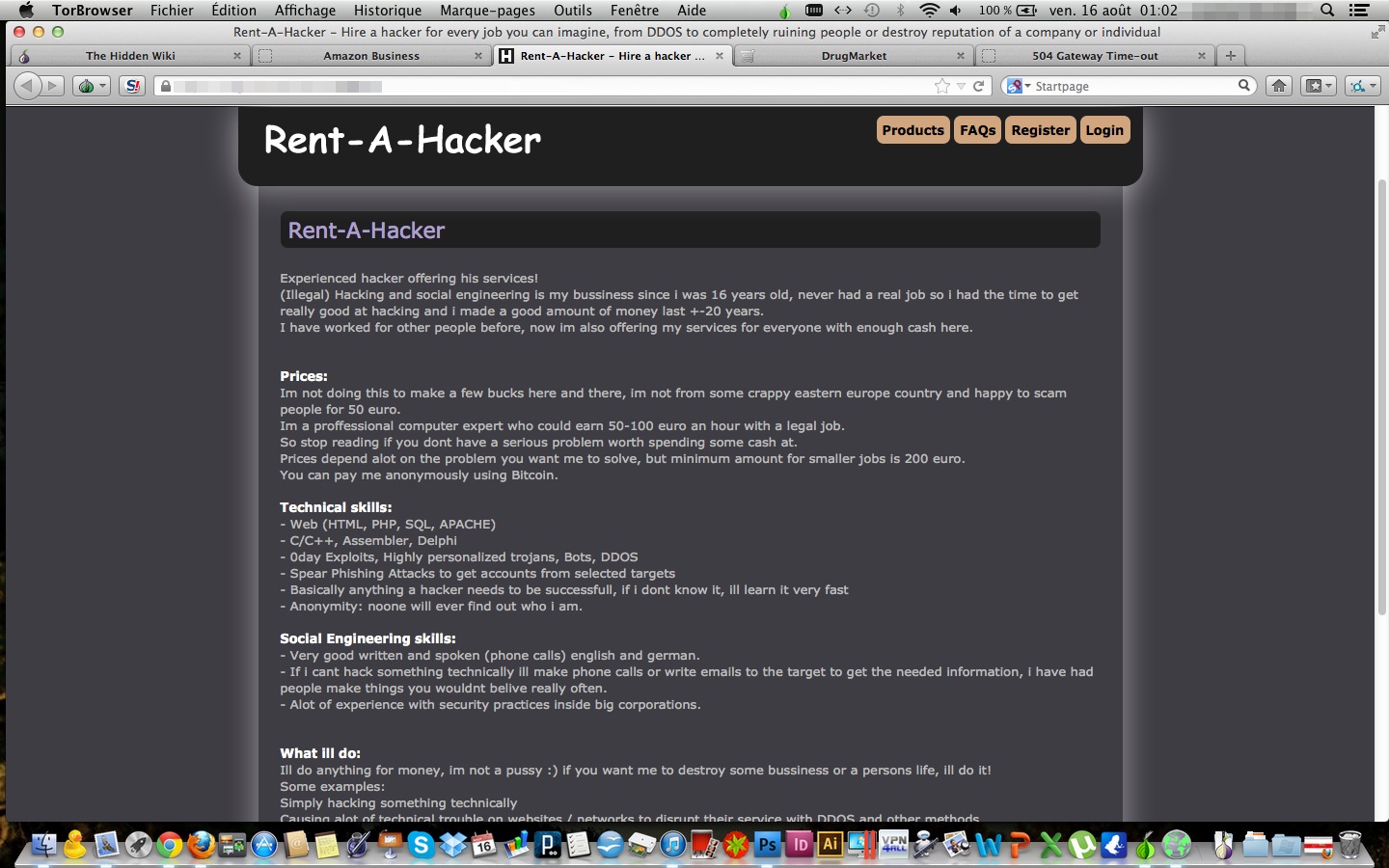
The story of Hansa Market highlights the precarious nature of the darknet. After being breached by law enforcement, Hansa continued to operate for a brief period, monitoring its users before being taken down. This operation highlighted the capacity for deep surveillance within these anonymous spaces and served as a alarm for both buyers and sellers about the risks of being monitored. Users learned that their perceived security can rapidly be compromised, reinforcing the idea that the allure of anonymity may come at a high cost.
Exploring Risks and Safety Measures
Engaging with darkweb markets presents various risks that users must attentively manage. The secrecy of the dark web can attract individuals with promises of illicit products and services, but it also subjects them to potential scams, police monitoring, and online dangers. Individuals should approach any interactions with care, recognizing that the same secrecy can conceal malicious intentions. Always double-check the legitimacy of vendors and refrain from sharing personal information that could jeopardize safety.
To enhance safety, it's crucial to utilize reliable safety measures when accessing the darkweb. VPNs and strong encryption methods can protect participants' identities and internet activities. Additionally, using specific crypto wallets helps in securing deals, providing a additional layer of anonymity. Staying informed on security practices and visiting trusted communities for advice can assist in ensuring safety during engagements within these unpredictable contexts.
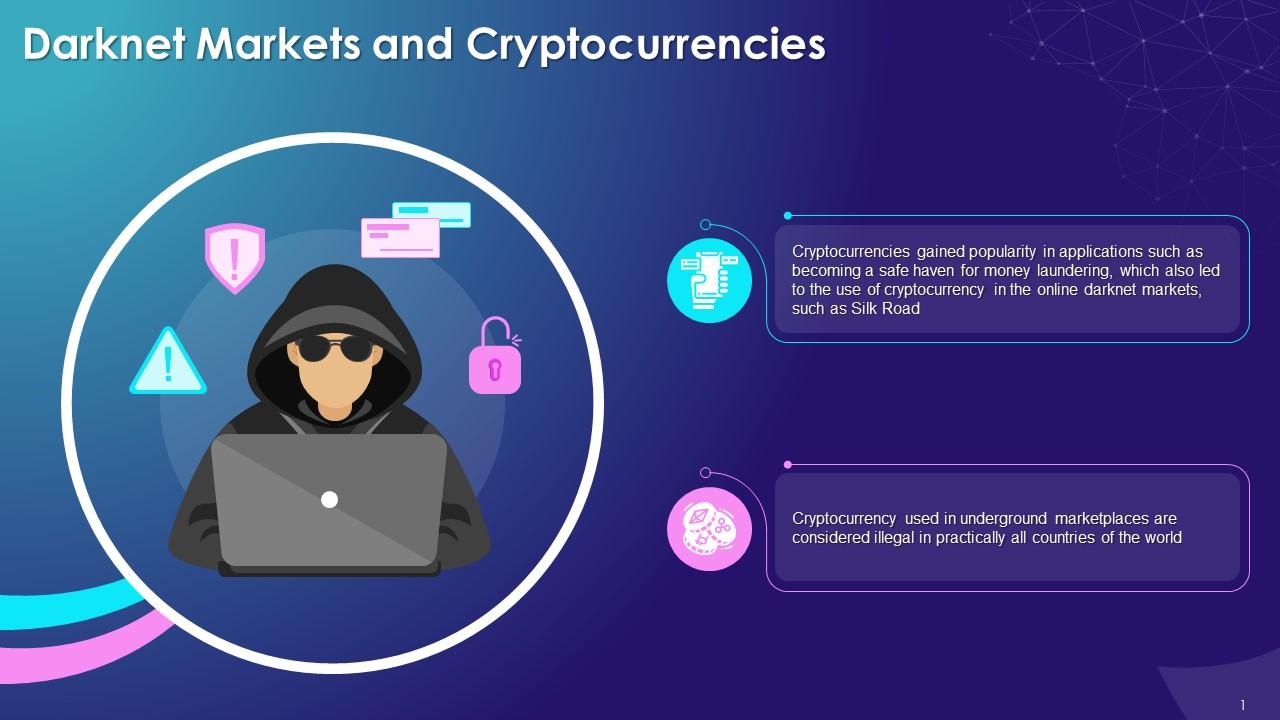
Ultimately, grasping the landscape of darkweb markets is crucial for anyone thinking about involvement. Staying aware about the types of dangers associated with particular markets and always adhering to safety protocols can assist mitigate risks. Remember that while the appeal of the dark web can be strong, focusing on individual security and ethical issues should forever come before anything else. Participating in this space requires a combination of curiosity and caution, making sure that any venture into the darkweb is as secure as practical.